There is a specific kind of quiet that happens inside a Kenya photographic hide wildlife bunker. You are sunk below ground, eyes level with a waterhole, and an elephant’s foot lands a meter from your lens. No engine hum, no vehicle sway, just the animal and the shutter. If you have shot from a safari vehicle before, this changes the whole picture, literally.
Kenya has a small, real collection of these hides. Not every camp has one, and the ones that do vary in comfort, cost, and how you book them. This guide names the hides operating today, what they include, and when a hide earns its price over a good vehicle and a patient guide.
The Kenya Photographic Hide Wildlife Bunker: What It Is and How It Differs From a Game Drive
A photographic hide is a fixed structure built at or below ground level next to a waterhole or salt lick. You shoot through narrow viewing slats, often camouflaged with rock, timber, or earth, so animals treat the structure as part of the landscape rather than a threat.
“Bunker” is the term guides use for hides sunk fully underground, often built from a shipping container or a reinforced pit with a roof at grass level. You climb down a ladder or short staircase to reach the shooting slots. The name sounds military, but the goal is simple. It gets your camera to eye level with a drinking elephant instead of shooting down from a raised vehicle seat.
The difference from a game drive is patience versus movement. In a vehicle, you cover ground and follow sightings. In a hide, you pick one spot, often before dawn, and wait for the wildlife to come to you. Both work. They just serve different goals and different days on a trip.
Kenya’s Named Hides: A Side-by-Side Look
Here is how the working hides compare on region, wildlife, and cost. Prices shift with season and operator, so treat these as indicative ranges to confirm at time of booking, not fixed rates.
| Hide | Region | Signature Wildlife | Overnight in Hide? | Approx. Price (per person, indicative) | Getting There |
|---|---|---|---|---|---|
| Lentorre Lodge hide | South Rift, near Lake Magadi toward the Tanzania border | Elephant, lion, leopard at a spring-fed pool | Yes. Air-conditioned hide with two beds, plus a four-bed, bathroom-equipped anteroom | $1,075 per night all-inclusive, plus a KES 6,000 (about $47) hide permit per person per night, capped at six permits a night | 45-min charter from Nairobi Wilson to Shompole area, or a 4-hour, 180km drive |
| Governors’ Mugie House hide | Mugie Conservancy, Laikipia | Elephant, buffalo, occasional black rhino | Yes. Four bunk beds and a bathroom, a 200-meter walk from the main house with an armed escort | $650-$900 per night, camp rate with hide access included (indicative) | 45-min flight to Nanyuki (141km air, 197km road), plus a road transfer, or a 5-hour, 300km drive |
| Saruni Samburu hide | Kalama Conservancy, Samburu | Elephant, Grevy’s zebra, leopard | No overnight stay. Day and night sessions, up to 8 guests at a time | $700-$1,000 per night camp rate (2026 season pricing), hide sessions included | 1-hour flight from Nairobi Wilson to the Kalama airstrip |
| Ol Malo Leopard Hide | Laikipia Plateau | Leopard, elephant, occasional wild dog | Yes. Two bunk beds built for an overnight stay beside a waterhole ringed by kopjes | $1,145-$1,783 per night camp rate (2026 season pricing) | 45-min flight to Nanyuki, then a road transfer (roughly 260km by road); lodge closed in April, May, and November |
| Sarara hide | Namunyak Conservancy, Samburu | Elephant, gerenuk, giraffe, plus the Singing Wells nearby | No. Day-use hide seating up to 6 photographers, separate from the camp’s signature infinity pool | $1,200-$1,800 per night camp rate; fly-camping from $700 per person per night | 1-hour flight from Nairobi to the Sarara airstrip |
| Ol Donyo Lodge hide | Chyulu Hills, near Amboseli | Elephant, including resident big tuskers | No. Scheduled hide sessions, not an overnight product | Around $1,690 per night, derived from a published 3-night rate of $4,770 plus a $300 conservation fee | 1-hour flight from Nairobi to Kiu Airstrip |
Lentorre sits apart from the rest. Guests pay a room rate plus a separate hide permit on top of it, capped at six permits a night. That is the only hide on this list with its own dedicated access fee layered onto the camp rate.
How These Hides Are Built
Most Kenyan hides share a similar design logic. They sit low, often a meter or two below the waterline of the pool they overlook, so your lens meets an elephant’s eye rather than its back. Walls are packed earth, stone, or timber, sometimes over a container frame for structural strength during heavy rain.
Viewing slots are narrow and set at sitting or lying height. Mugie’s hide and Ol Malo’s Leopard Hide both include bunk beds and a bathroom, letting photographers stay through a full night without leaving. Lentorre’s hide at Shompole goes further, with air conditioning, professional glass, soundproofing, a small bar, and a library built into the space. Saruni Samburu, Sarara, and Ol Donyo run their hides differently, as day or dusk sessions where you return to camp afterward rather than sleeping in the structure.
Camouflage matters as much as structure. Roofs are turfed or thatched to match the surrounding bush, and entry tunnels are built away from the animals’ usual approach path, so your arrival does not spook anything already at the water.
Wildlife You Can Expect
Elephant dominate every hide on this list, since they need daily water and come in predictable numbers. Shompole and Mugie both report regular sightings of 20 to 40 elephants at a single pool during dry months.
Leopard sightings are more of a bonus than a guarantee at most sites, but Ol Malo built its hide specifically around a waterhole known for leopard, and Saruni Samburu has a strong reputation for cats passing close to the hide at dusk. Lion appear at Shompole and occasionally near Ol Donyo, usually drinking rather than hunting near the water.
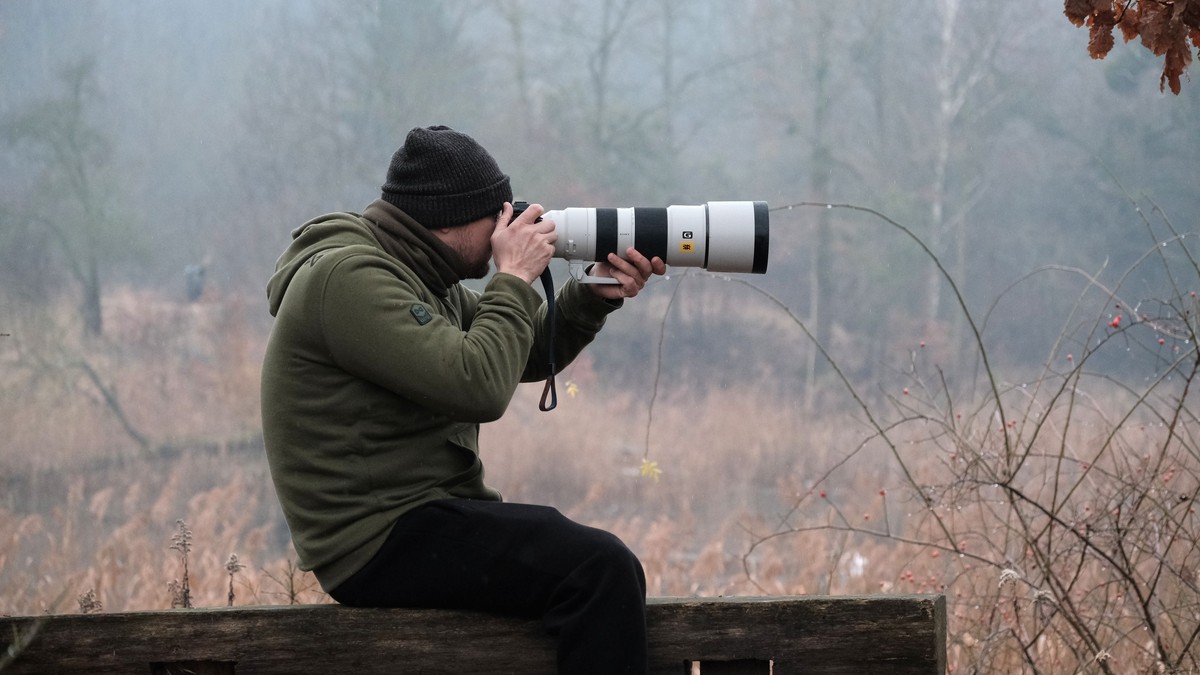
For anyone building a lens kit around this kind of shooting, it helps to read up on the right lens for hide photography before you travel. A hide rewards a longer prime or a fast zoom more than the wide lenses useful on a vehicle.
Comfort and Amenities
Comfort varies more than most sites admit. Lentorre’s hide is the most developed, with air conditioning, a small bar, a library, and two beds inside the hide itself, plus a four-bed anteroom with a bathroom. Mugie’s hide has four bunk beds, a bathroom, and a work bench with charging sockets, reached by a short walk from Governors’ Mugie House. Ol Malo’s Leopard Hide is smaller, with two bunk beds built for an overnight stay beside its waterhole.
Saruni Samburu, Sarara, and Ol Donyo run their hides on a different model. Saruni’s hide holds up to eight photographers for day and night sessions, but nobody sleeps there. Sarara’s hide seats up to six photographers for daytime sessions near the water. It sits well below the profile of the camp’s infinity pool and its Singing Wells experience with Samburu warriors, which remain the signature draws. Ol Donyo offers scheduled hide time built around its resident big tusker elephants, again without an overnight option.
None of the day-session hides offer air conditioning, since the whole point is staying low-profile and simple. Camps do provide low-light rigs, usually red or infrared filtered, so you can shoot after dark without disturbing the animals.
Overnight and Night Sessions
Night photography is the real draw at Lentorre, Mugie, and Ol Malo, the three hides built for a full overnight stay. All three let photographers stay through until early morning, catching elephants and, at Ol Malo, leopard, under filtered red light that does not alter natural behavior.
A full overnight session usually runs from late afternoon until sunrise, with a break built in around midnight if the waterhole goes quiet. Bring a headlamp with a red filter of your own, spare batteries, and a flask, since staff cannot always reach the hide once you are settled in for the night.
Best Season for Hide Photography
Dry season, from late June through October, and again from January through March, concentrates wildlife at these waterholes because natural water sources elsewhere dry up. This is when hide numbers peak, particularly at Shompole and Mugie.
The long rains, from April to May, scatter animals across the wider landscape and away from fixed water points, so hide sessions get quieter. Ol Malo closes entirely in April, May, and November. If your trip depends on hide photography specifically, avoid booking those months.
How to Book a Hide
Most hides are not a stand-alone booking. You reserve a stay at the camp, Governors’ Mugie House, Saruni Samburu, Ol Malo, Sarara, or Ol Donyo, and hide access comes with your room rate or as a scheduled add-on activity during your stay.
Lentorre is the exception. Its hide carries a separate permit fee on top of the room rate. Only six permits go out per night, so book that piece early if the hide is your main reason for the trip. If you want overnight hide access without an added permit cost, Mugie and Ol Malo are the more accessible entry points among the three true overnight hides.
Also worth knowing before you commit: hides work best when you already know which conservancies suit your subject. If big cats are your priority, it helps to compare conservancies known for cheetah and leopard photography against the elephant-heavy hide sites listed here.
Conservation and Community Revenue
Every hide on this list sits inside a community or private conservancy, not a national park. Mugie, Kalama, and Namunyak conservancies, along with the South Rift conservancies around Shompole, channel bed-night fees and hide fees directly into conservancy operating budgets and community payments.
That funding pays for ranger salaries, water infrastructure the wildlife also depends on, and school or health projects in the surrounding Samburu, Laikipia, and Maasai communities. Choosing a hide stay is not just a photography decision. It supports the land management that keeps these waterholes wild in the first place.
The Valley Safaris Difference
We do not sell hide time as a novelty add-on. We ask what you are actually trying to photograph, then tell you honestly whether a hide is the right tool or whether a well-placed vehicle and an early start will get you the same shot for less money.
A hide demands a fixed, multi-hour wait at one location. That suits a dedicated photographer on a 7 to 10 day trip, not a family on a 3 to 4 day safari with mixed interests. We have sat in these hides ourselves, so we know which nights are worth the wait and which weeks the waterholes run quiet.
We also think hard about ethics around close subjects. Read our take on the ethics of close-up big cat photography before you plan a hide-heavy itinerary, since the same principles apply to elephant at a meter’s distance.
Plan Your Hide Photography Trip
If ground-level elephant shots or a night in a Laikipia bunker sound like the trip you have been planning, we can build the itinerary around it. Get in touch through our contact page or browse our photography safari tours to start planning.